
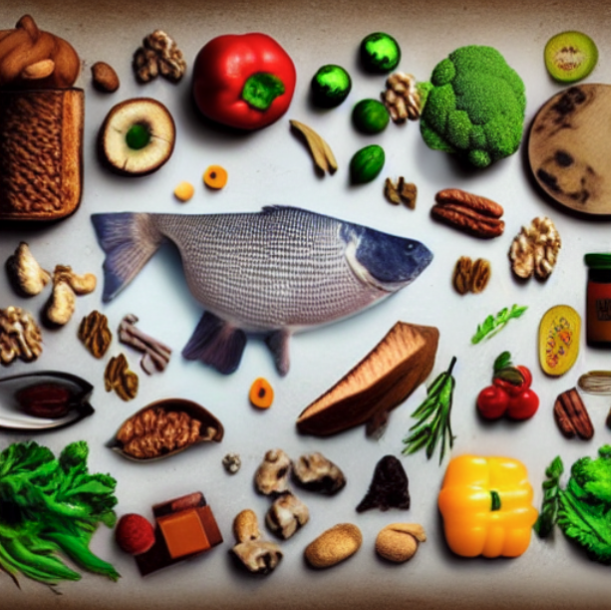
Your sperm are incredible - they deserve as much support as you can provide. Incorporating the right foods into your diet enhances the environment for sperm development, facilitates sperm DNA and protein production promotes sperm energy metabolism, and boosts cellular defense mechanisms. Eating the wrong foods, on the other hand, can sometimes have negative effects. So what does the science say? Here’s some science-backed advice about how to modify your diet to help your swimmers do their thing.
Don’t eat a lot of saturated fats. Saturated fats are found in animal-based foods like beef, pork, poultry, full-fat dairy products, eggs, and tropical oils like coconut and palm. High consumption of these foods has been correlated with lower sperm counts, sperm shape abnormalities, and decreased fertilization rates during in vitro fertilization (IVF) cycles.
Take it easy with soy-based products. Low to moderate soy intake is OK, but you should avoid a diet that is very high in the consumption of soy-based products. Soybeans and soy-derived products contain isoflavones, which can act like weak estrogens that negatively impact sperm function and structure.
Eat lots of fruits and vegetables, but watch out for pesticides. Fruits and vegetables are great for overall and reproductive health as long as they don’t contain significant amounts of pesticides. Consumption of 3 or more servings of low pesticide residue fruits and vegetables per day can significantly boost your total sperm count and quality. However, consumption of high pesticide residue fruits and vegetables can lower sperm count and quality. Rinsing produce and cooking your fruits and vegetables can help reduce pesticide exposure.
High pesticide residue fruits and vegetables include strawberries, spinach, nectarines, apples, grapes, peaches, cherries, pears, tomatoes, celery, potatoes, and sweet bell peppers
Low pesticide residue fruits and vegetables include avocados, sweet corn, pineapples, cabbage, onions, frozen sweet peas, papayas, asparagus, mangoes, eggplants, honeydews, kiwis, cantaloupes, cauliflower, and broccoli.
Eat lots of nuts (unless you have an allergy). Several studies have linked the consumption of different types of nuts to improvements in sperm quality. Walnuts, hazelnuts, and almonds are great sources of Omega-3 fatty acids, which have been shown to increase sperm function. A 2018 study reported that adding two handfuls per day of mixed nuts to your diet can improve sperm quality.
Eat more fish. Fish are a rich source of Omega-3 fatty acids, which are polyunsaturated fats that have antioxidant and anti-inflammatory properties. Improved sperm count and quality have been reported in men who consistently eat fish. Shellfish such as lobster and oysters are rich in sperm-healthy micronutrients such as zinc and selenium.