
It turns out that sperm health is highly correlated with general health and wellness. Exercise is a big part of any healthy lifestyle, and it definitely plays a role in reproductive health too. That said, there are some nuances that are important to understand when designing an exercise plan to support your swimmers.
Exercise regularly. Finding a way to exercise regularly can help your overall and reproductive health. Men who participate in regular outdoor activities, jogging, or other physically engaging pursuits have been shown to have higher sperm concentrations and more normally-shaped sperm.
Don’t engage in high-intensity training for more than 10 hours per week. High-intensity training should be reduced or avoided while you are actively trying to conceive. Although moderate exercise is good for sperm health, intensive athletic training can negatively impact fertility through alterations in male reproductive hormones, harmful effects of physical strain, and sustained periods of increased testicular temperature. One well-designed study of high-intensity training clearly demonstrated reductions in sperm quality along with undesirable changes in male reproductive hormones, and all of those changes normalized after cessation of the high-intensity exercise.
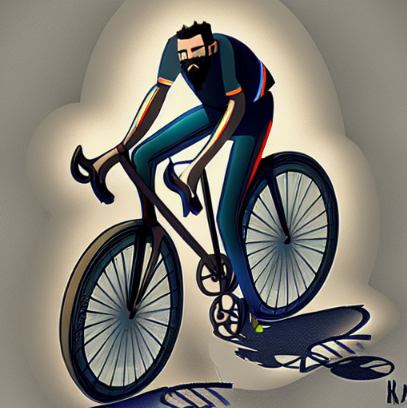
Limit time on the bike. Limiting cycling to less than 5 hours per week is recommended to optimize your sperm quality while you are trying to conceive. Cycling exposes the testicles to repetitive physical impact and hyperthermia. These effects are due to prolonged time in the saddle and wearing tight clothing. Several studies have reported that cycling is associated with reductions in sperm count, worse sperm motility, and abnormal sperm shape. If you’re not ready to limit your cycling, you should at least consider using a specialized “no nose” saddle to protect your testicles and reduce the negative impact on your fertility.